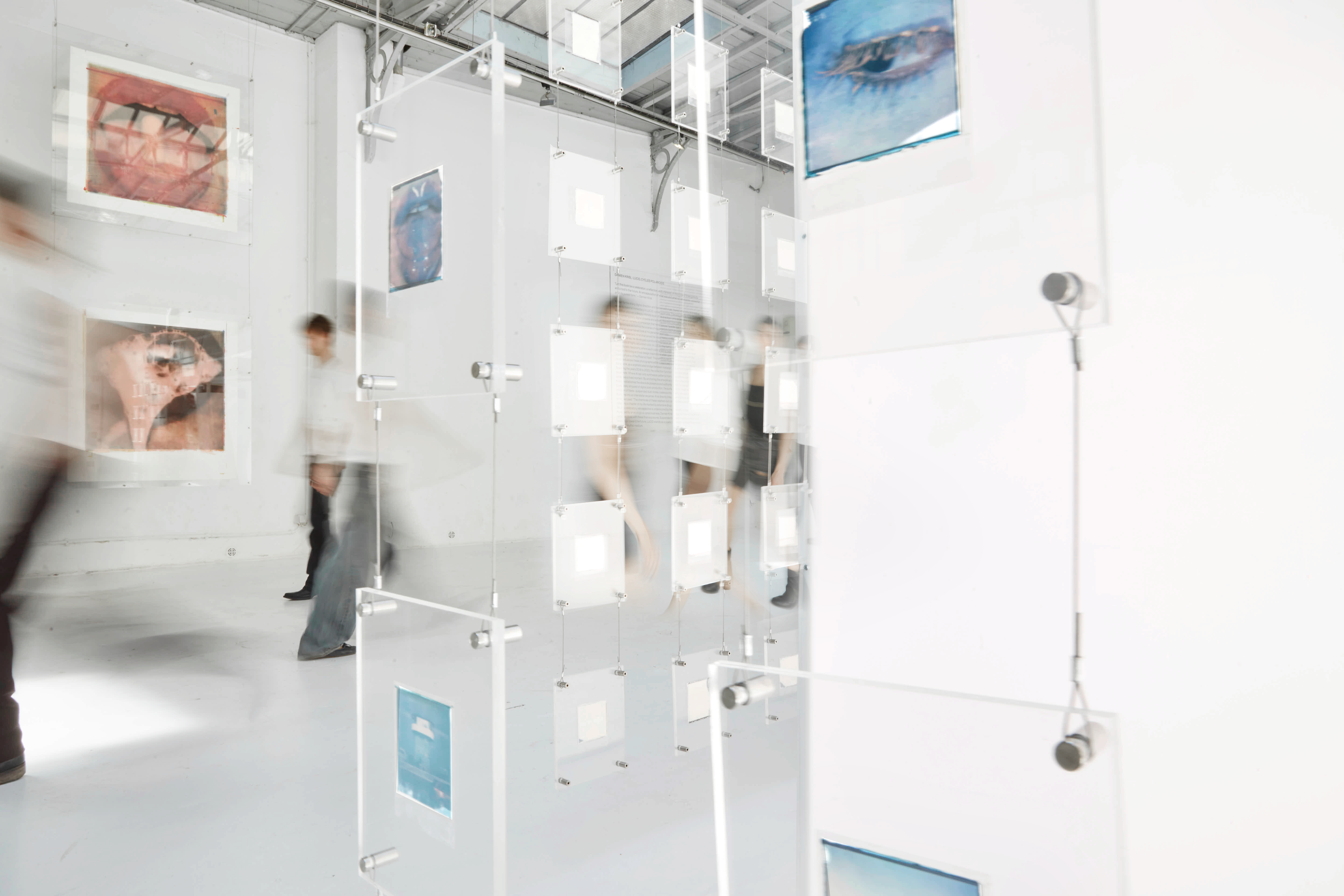
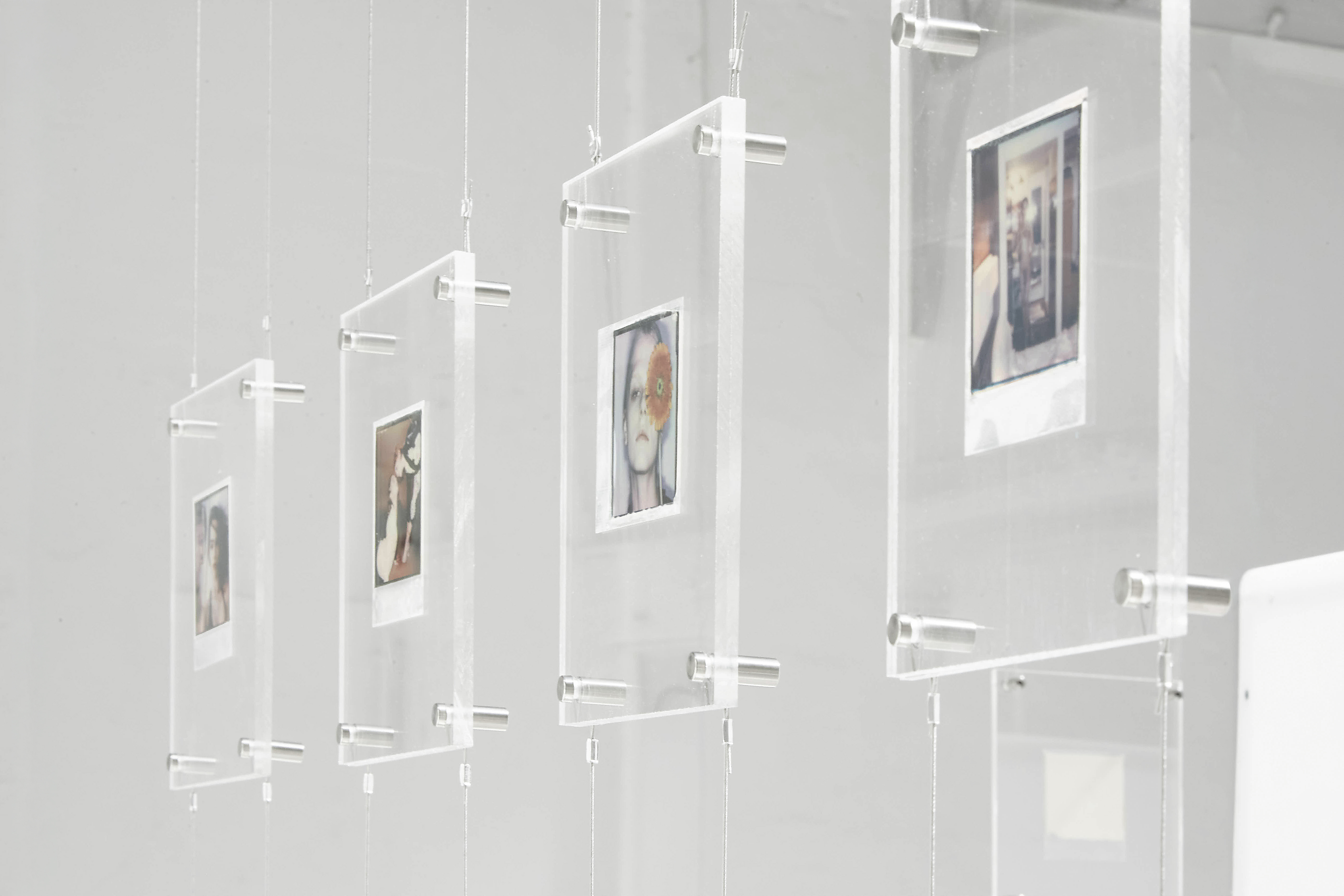
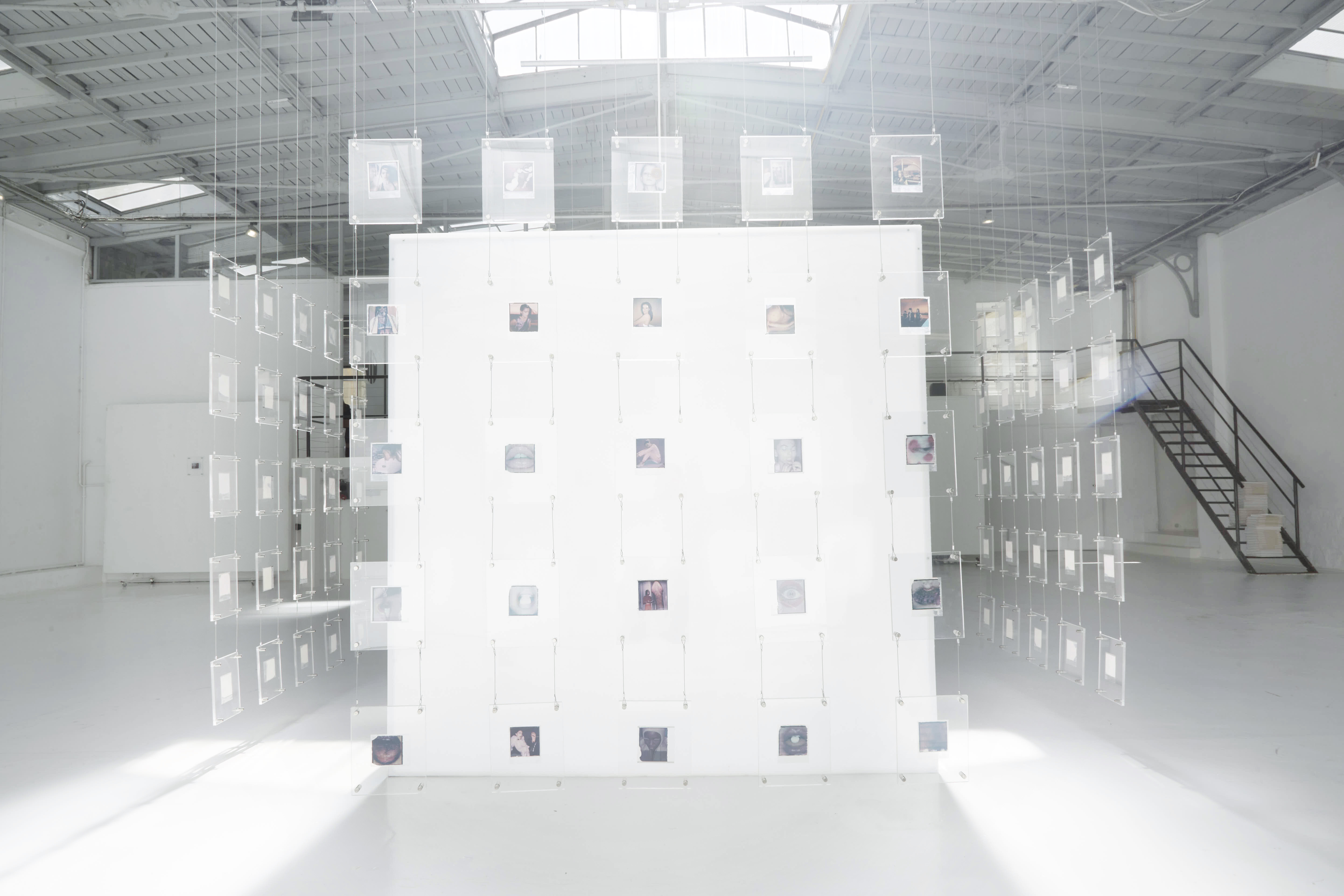
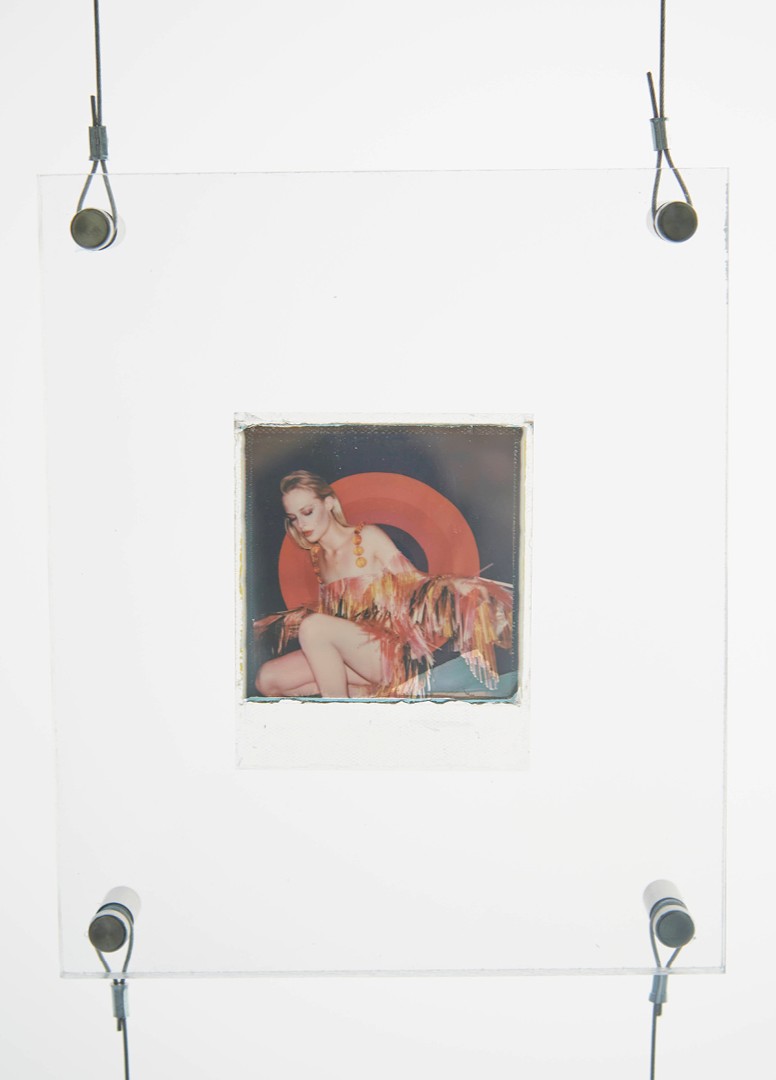
The Polaroid camera, a companion that never leaves his side, opens a window into the cloistered spaces behind the scenes of major commercial shoots and follows his solitary wanderings across the globe, offering an unvarnished look at the very core of his personal aesthetic: “In recent years, with the rise of Artificial Intelligence, the passionate undertakings of space missions to Mars, and the expansive realms of the Metaverse, our creative world has witnessed a resurgence of retro-futuristic designs. The aesthetic of curved shapes and vivid hues, once iconic to a bygone era, are now old visions reborn in contemporary architecture and avant-garde AI visuals. For me, the Polaroid camera has been instrumental in capturing this essence.”
Manage Positions
×
“each Polaroid picture
possesses a soul, an
authenticity, an inherent
quality that transcends time.”
Beyond a mere exercise in retro homage, LUCID functions as a conceptual plea to decelerate. In an epoch defined by an overexposure to ephemeral images, the analog medium reclaims its own slow temporality. It demands a patient waiting for the image to be born into the world; because it cannot be duplicated with a simple click, it insists on a singular, shared encounter. Where AI can only synthesize patterns from an algorithmic void, it lacks the subjective experience that defines human consciousness. A Polaroid, by contrast, witnesses a lived moment. By anchoring the artwork so deeply to this physical execution, the Polaroid serves as a defiant bulwark against the «death of the author» inherent in the digital age-re-establishing the absolute presence and authority of the photographer. Ultimately, this radical trust in the chemical process serves to reassure us of the enduring power of photography, reaffirming the permanence of the medium.
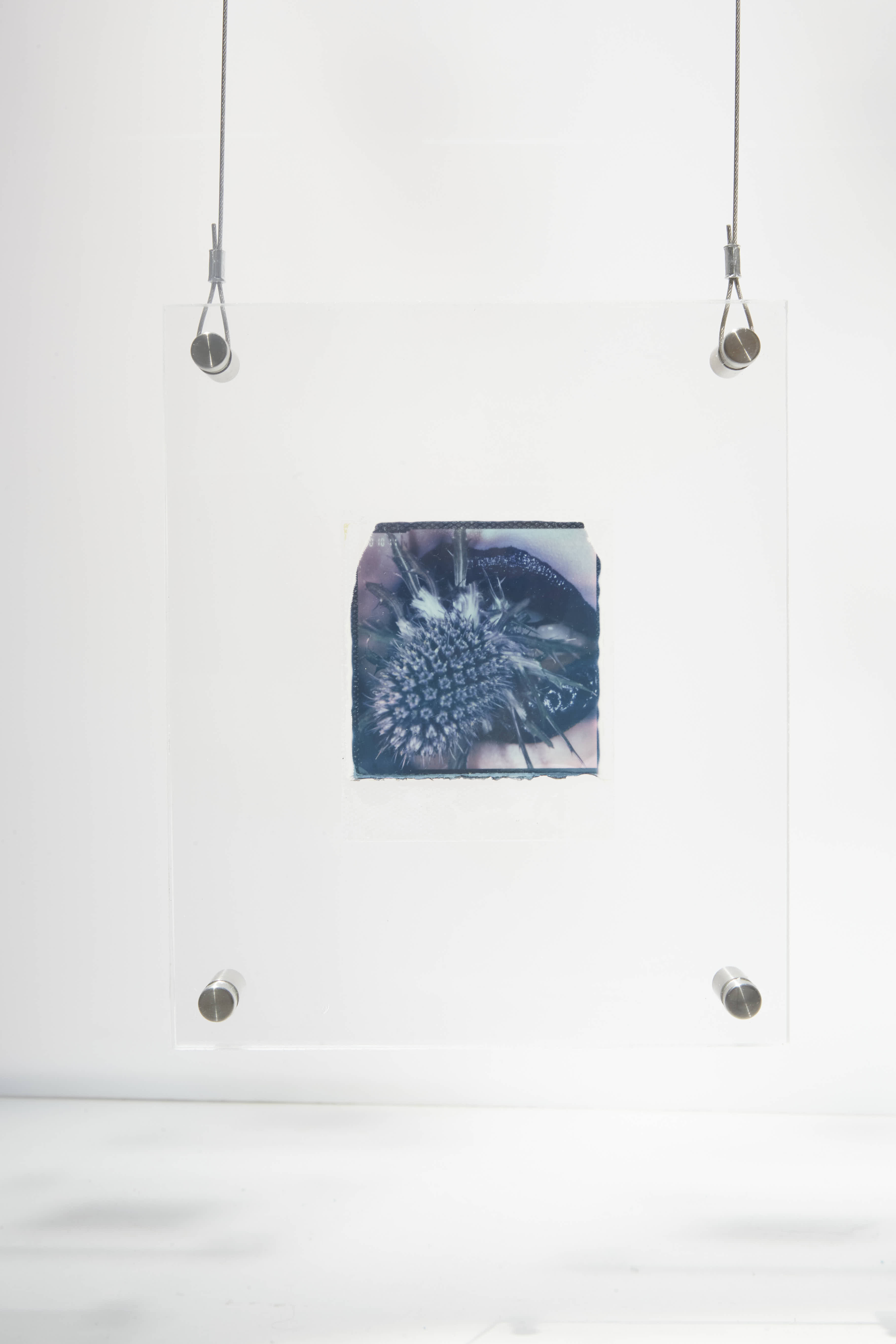
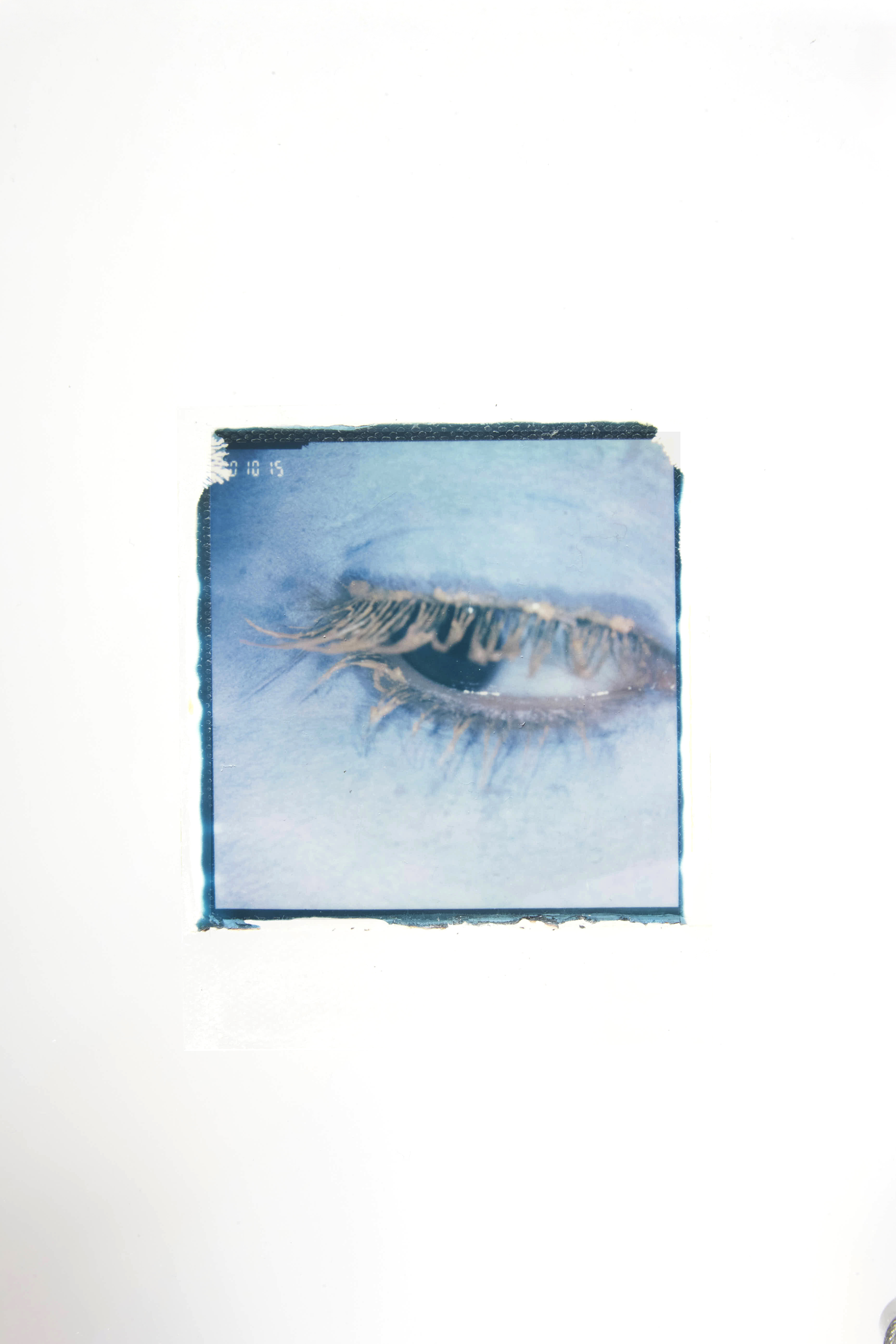
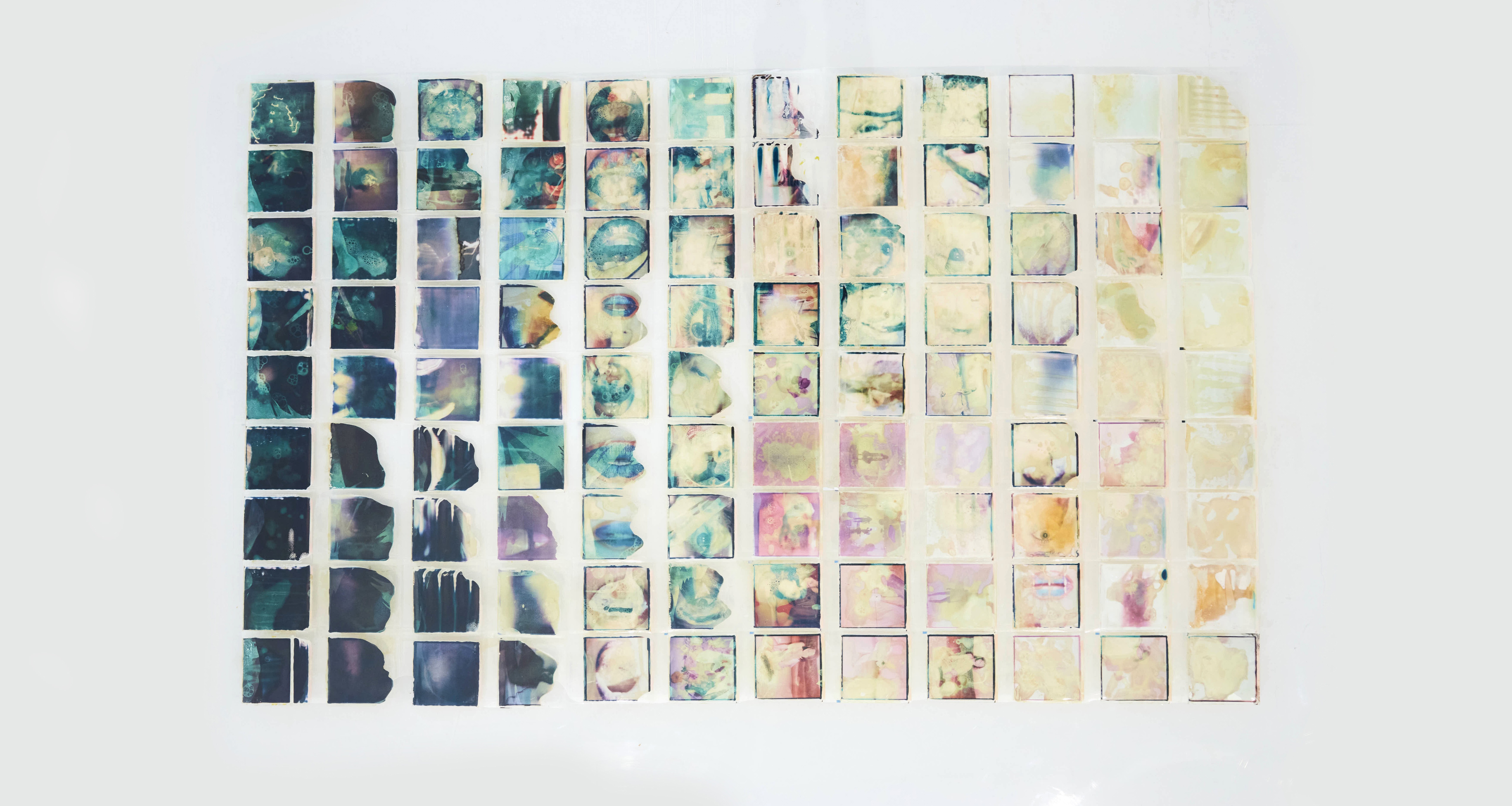
Completely stripped of digital post-production, the surface of the image welcomes the intrusion of flaws—suspended dust motes coalesce into cosmic nebulae, transmitting the frame into an interstellar expanse. Krisl directly links these chemical aberrations to the interior topographies of his own past: “The chemicals of these washed-out colors evoke a psychedelic vibe, reflecting a chapter of my life marked by extensive drug use.” Yet, this celebratory retrospective is underscored by the solemnity of departure. Prompted by an ecological consciousness, Damien Krisl brings his Polaroid cycle to a definitive close with these final exposures. Suspended between a nostalgia for the radical design utopias of the past and a lucid orientation toward the future, LUCID stands as a poetic manifesto—a magnificent swan song to a mythic medium, and “a tribute: to a time where magic lay in the handcrafted and every creation was a tactile labor of love.”
The Polaroid camera, a companion that never leaves his side, opens a window into the cloistered spaces behind the scenes of major commercial shoots and follows his solitary wanderings across the globe, offering an unvarnished look at the very core of his personal aesthetic: “In recent years, with the rise of Artificial Intelligence, the passionate undertakings of space missions to Mars, and the expansive realms of the Metaverse, our creative world has witnessed a resurgence of retro-futuristic designs. The aesthetic of curved shapes and vivid hues, once iconic to a bygone era, are now old visions reborn in contemporary architecture and avant-garde AI visuals. For me, the Polaroid camera has been instrumental in capturing this essence.”
“Let this book be a
celebration, a reflection,
and a farewell. A chronicle
of times gone by and
a nod to the future. An
encapsulation of what was
and what will always be—a
love for art in its purest
form.”
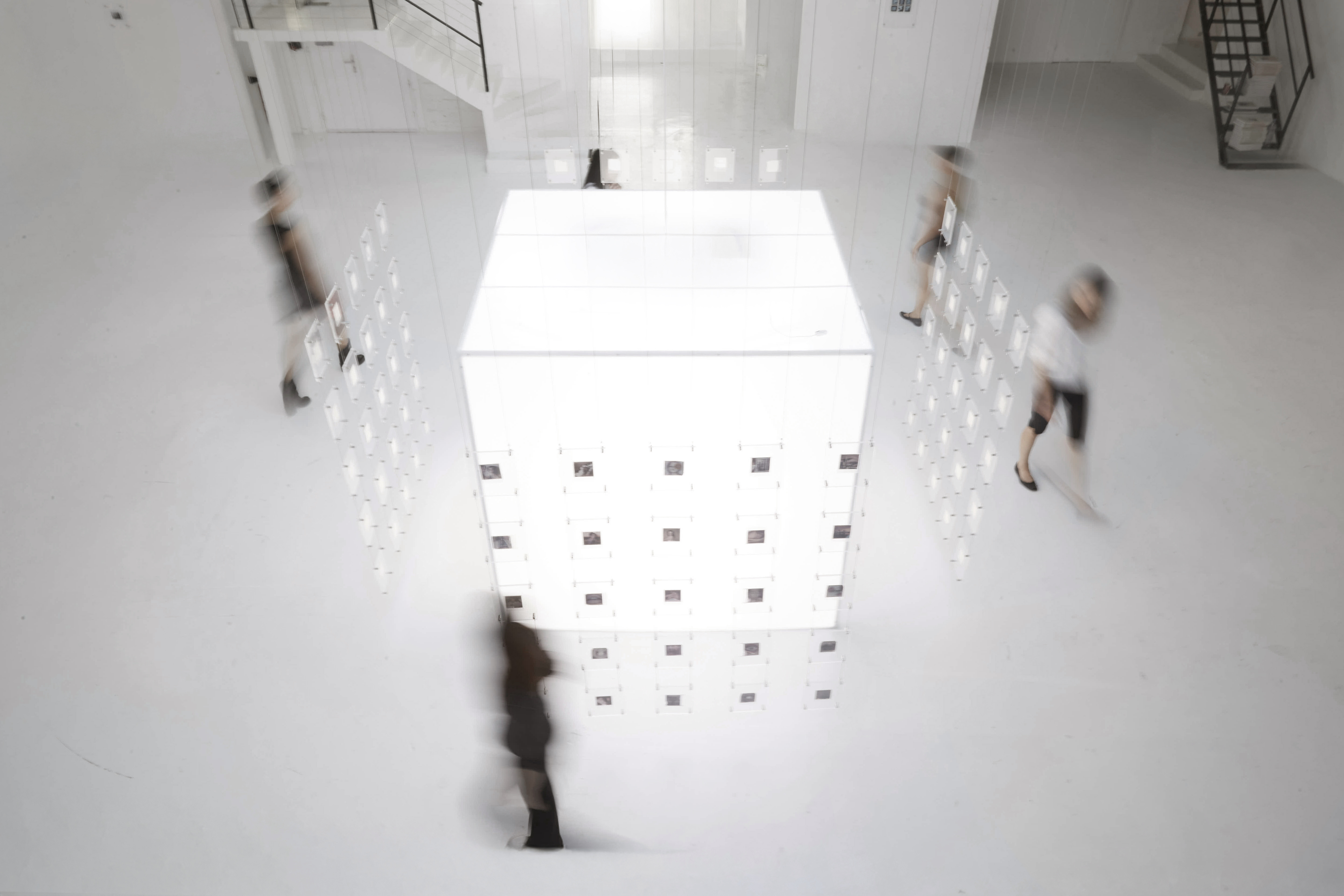
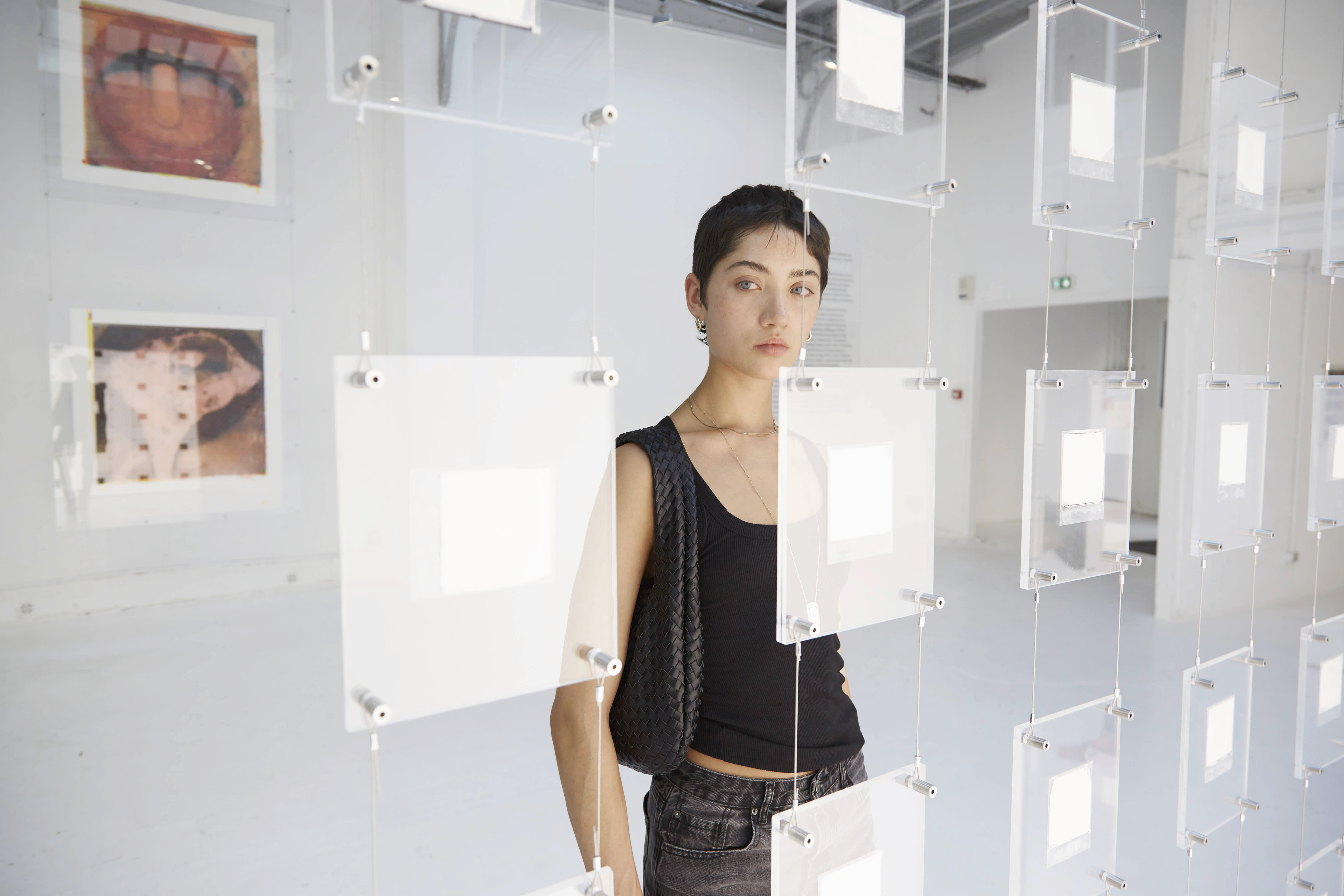
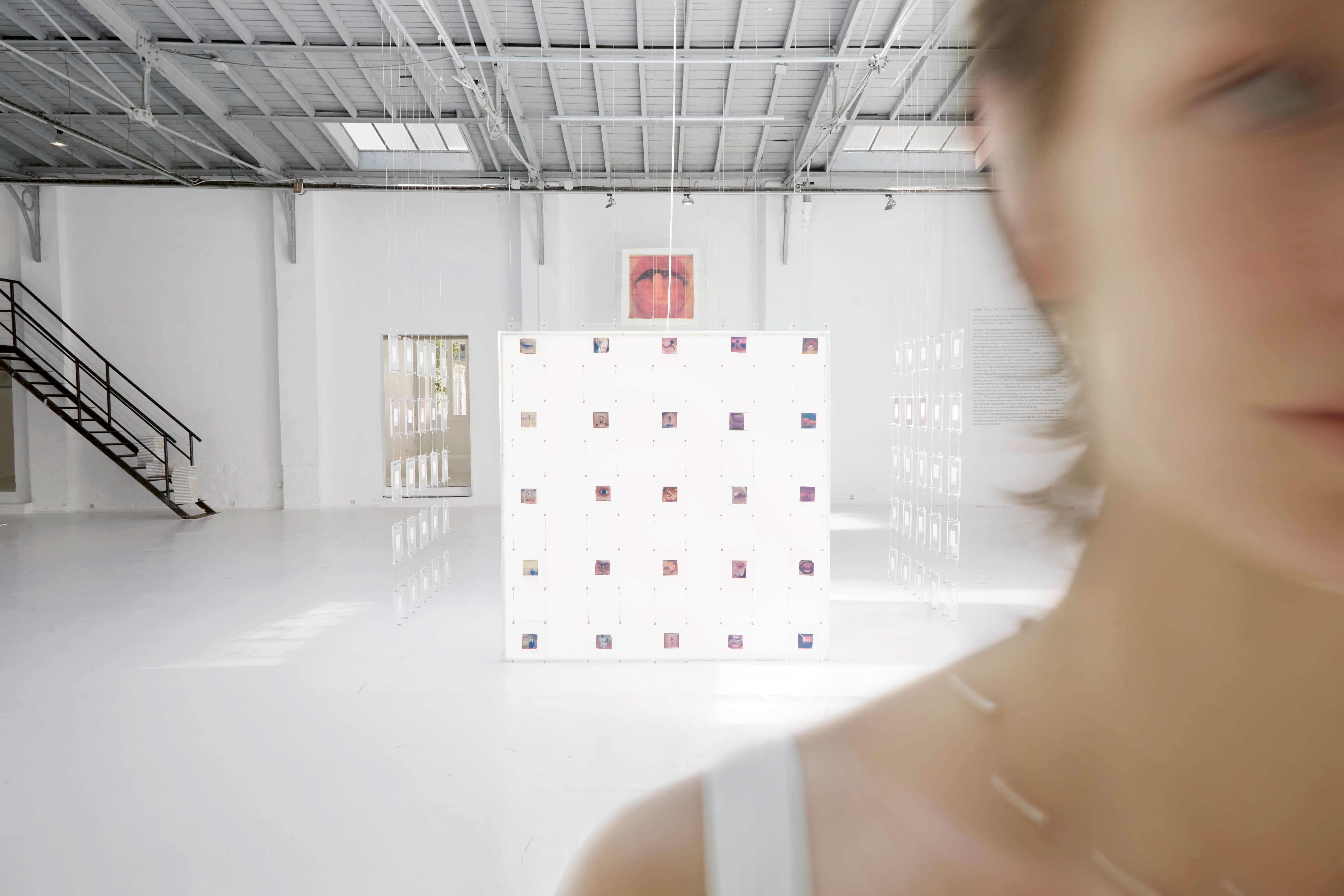
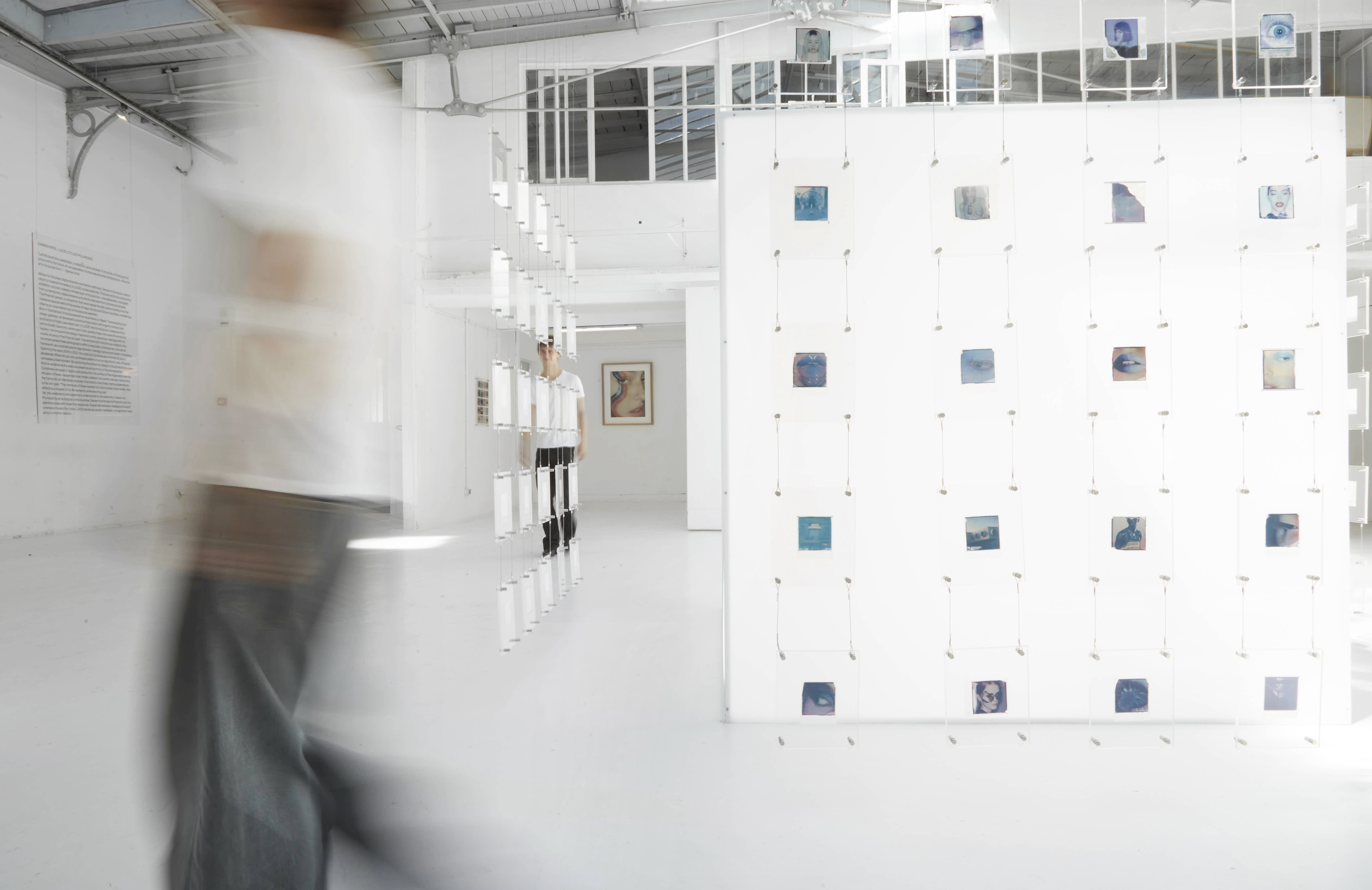
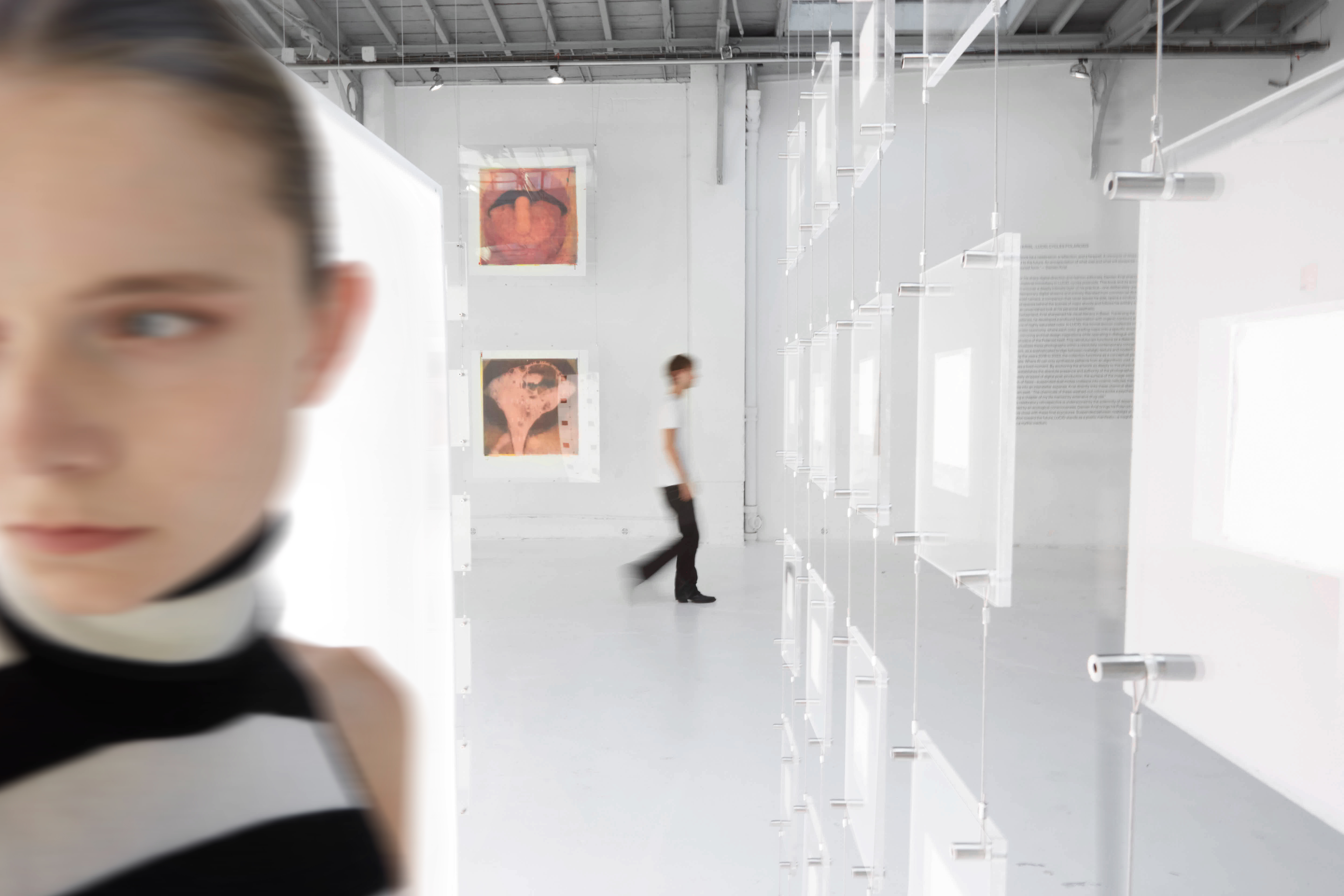
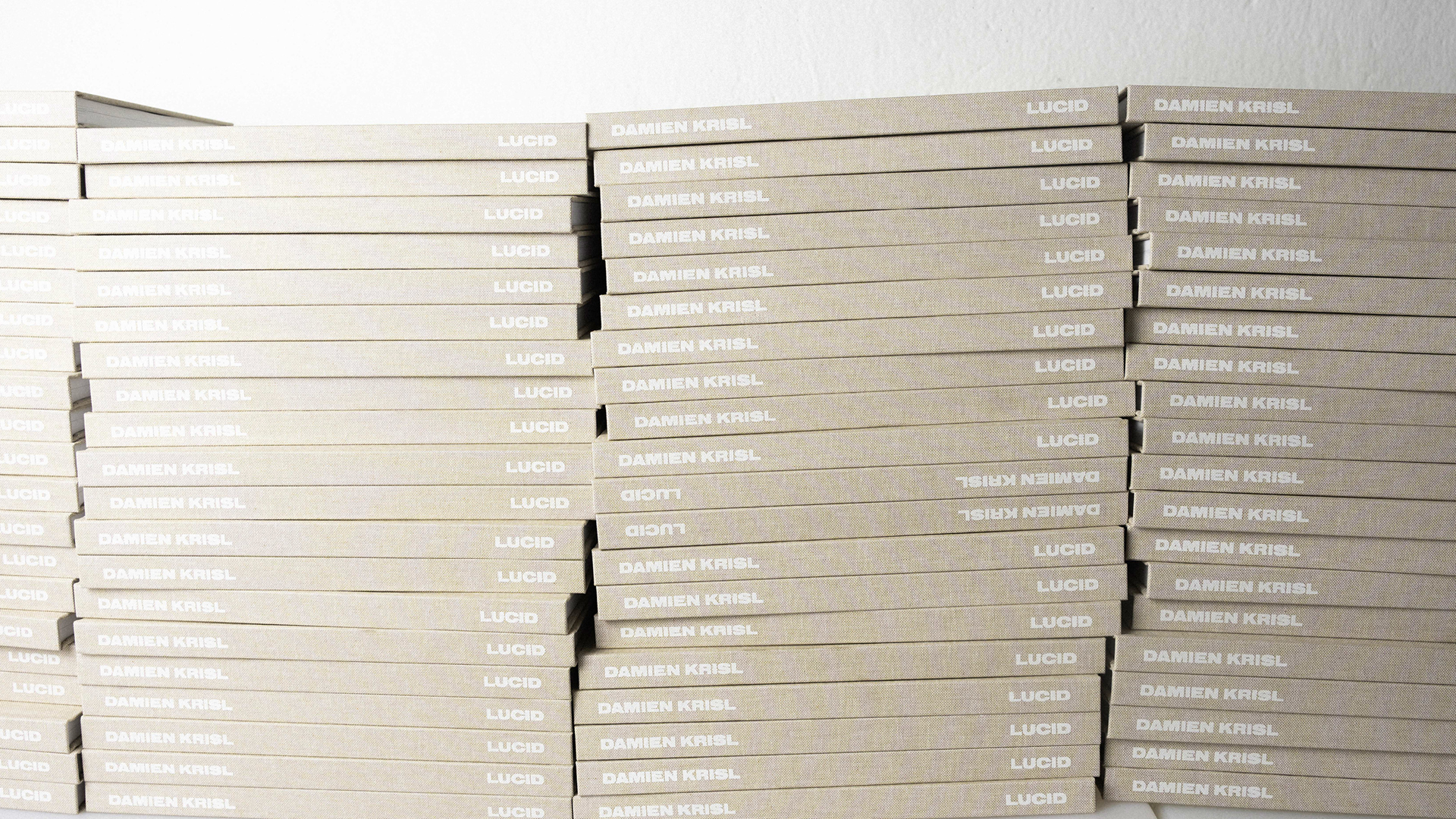
Known for the rigorous execution of his fashion editorials and the sharp virtuosity of his digital direction, Damien Krisl enacts a radical return to material immediacy in LUCID, cycles polaroids. This book and its accompanying exhibition uncover a deeply intimate layer of his practice—one deliberately unplugged from contemporary digital streams and entirely liberated from the dictates of commercial commission.
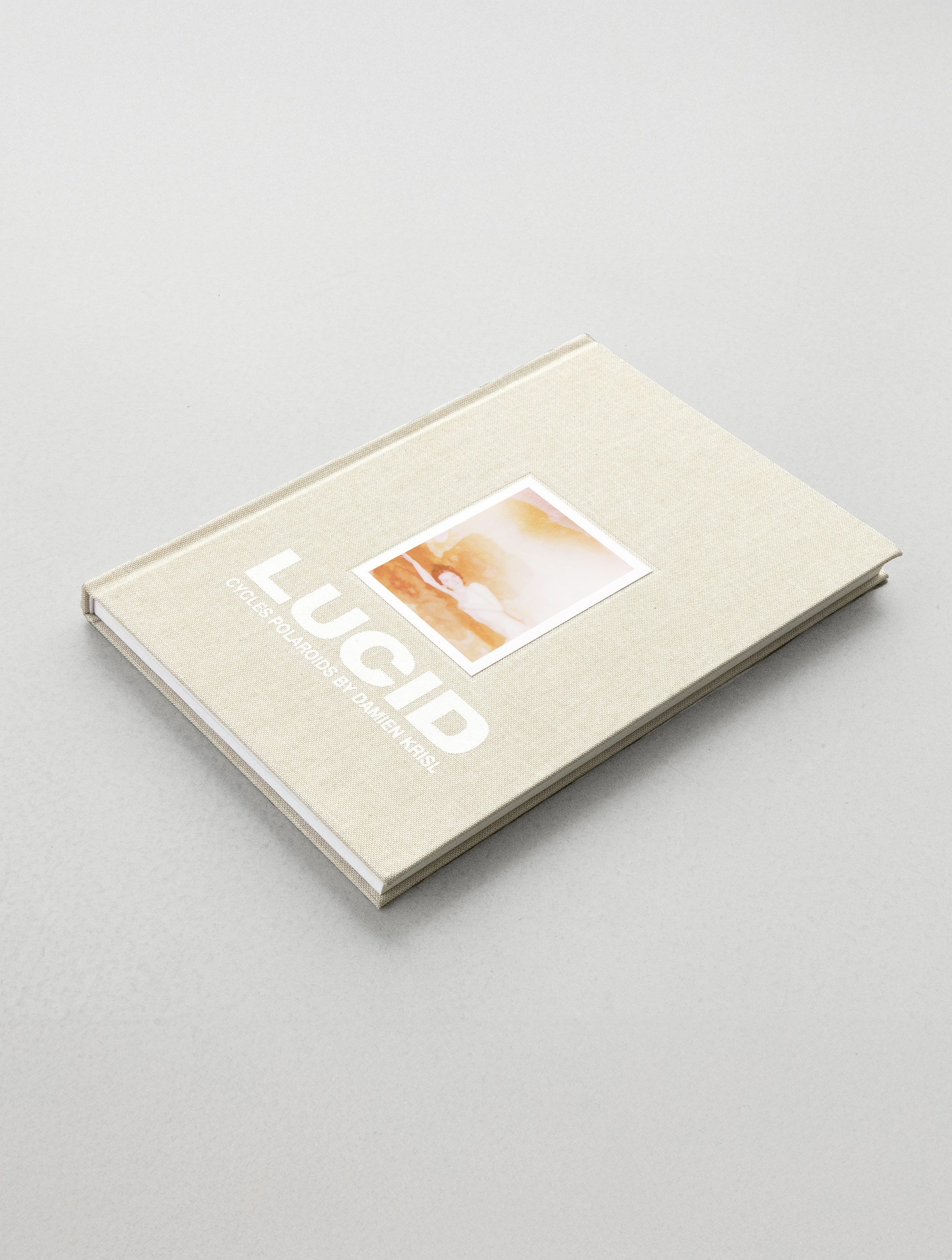
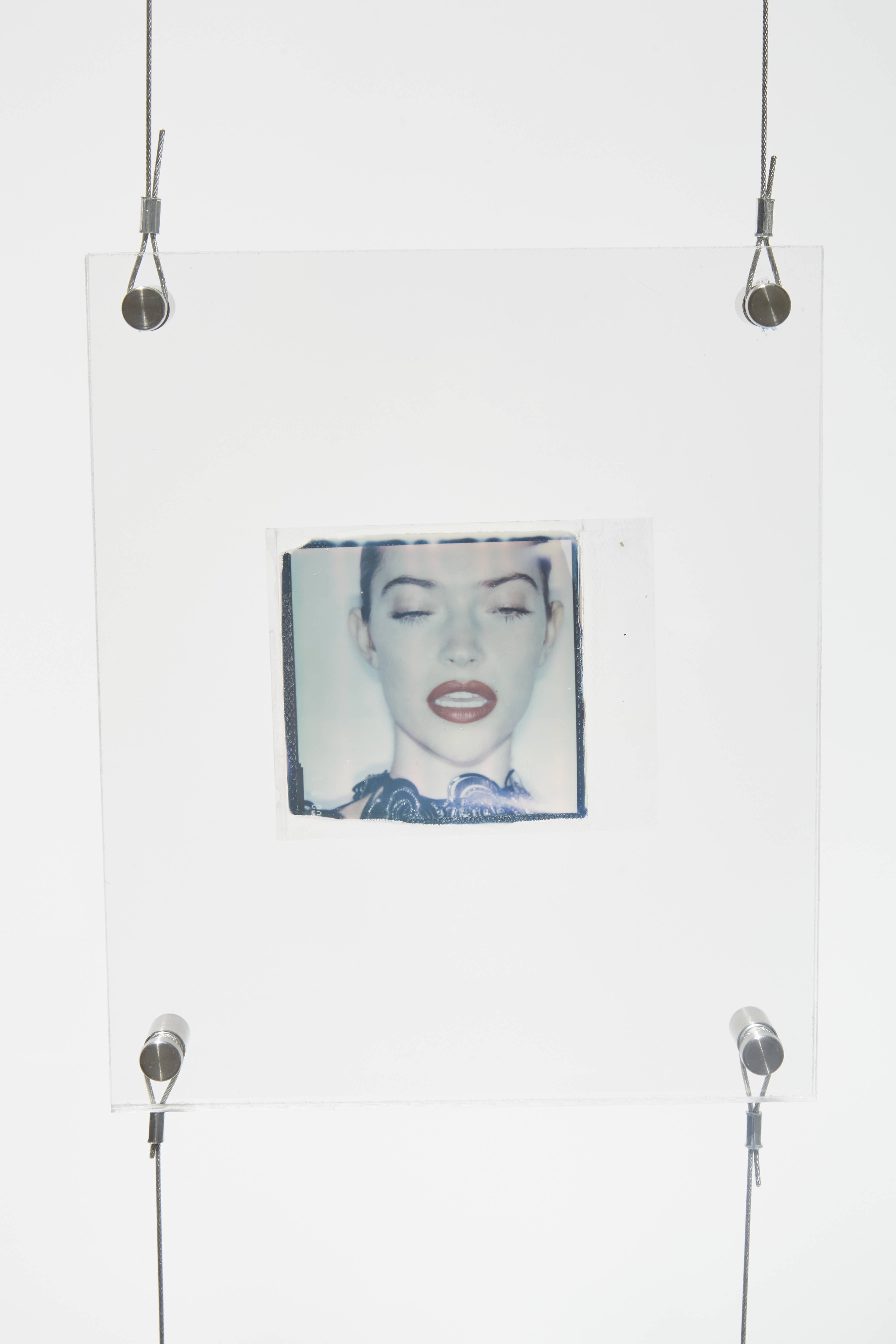
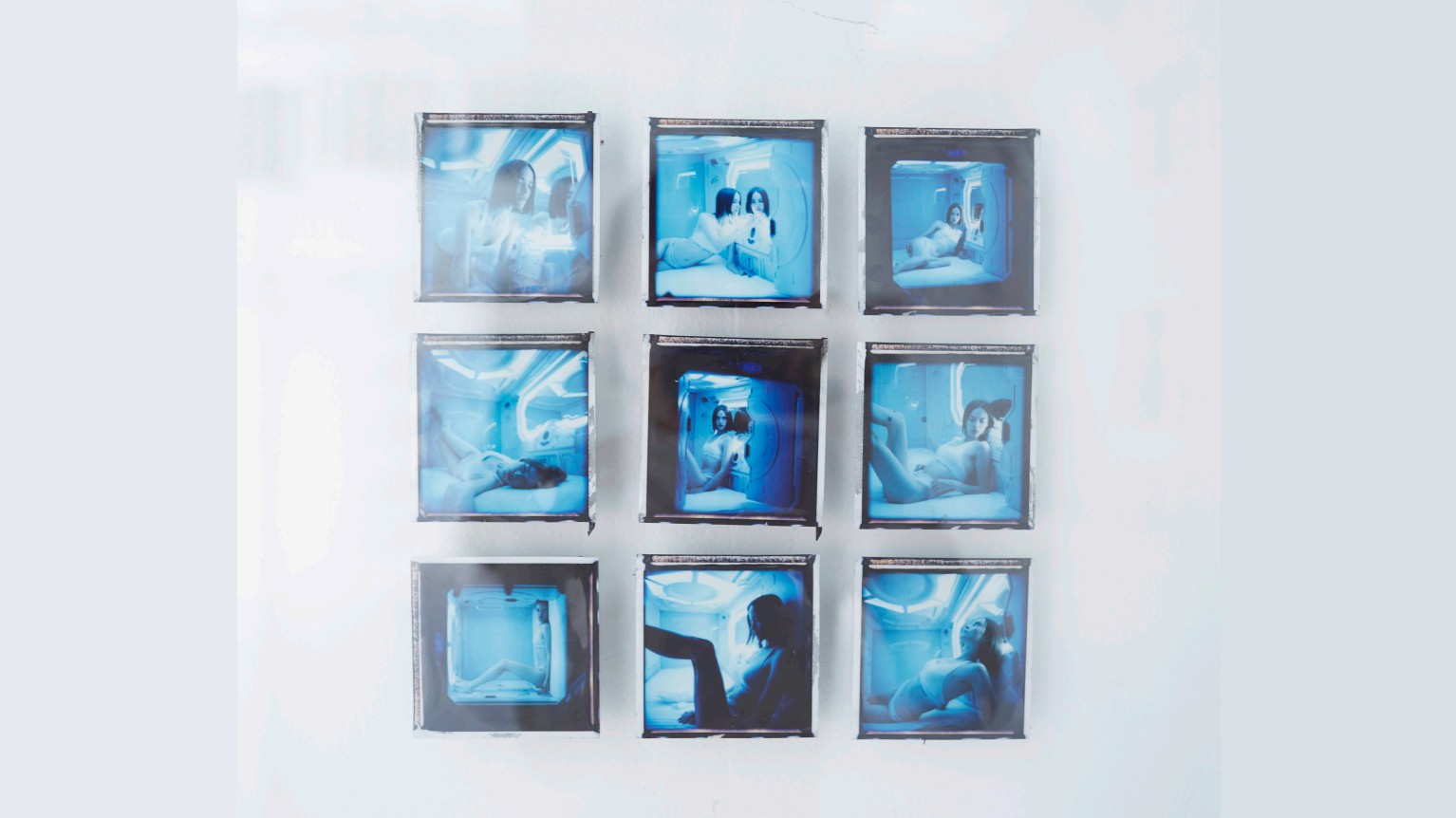
Born in Switzerland, Damien Krisl sharpens his visual literacy in Basel, the adoptive home of the iconic designer Verner Panton. Traversing the city's design galleries, he develops a profound fascination with Panton's organic contours and explosions of highly saturated color. In LUCID, each color grading maps onto a specific emotional register, mirroring those archival inspirations while operating in dialogue with the volatile physics of the Polaroid itself—an unpredictable chemistry that registers the warmth of human hands, atmospheric climate, and the fleeting micro-moments of time. Spanning the years 2018 to 2023, the collection unfolds along a chromatic chronology heavily informed by the brand's trademark rainbow stripe. This iconic emblem channels the socio-political zeitgeist of the 1970s, embodying an ethos of peace, love, and inclusivity championed by early LGBT liberation movements. Drawing from this rich tapestry of cultural symbolism, the book's art direction and layout deliberately reflect the Polaroid rainbow in all its original glory.
Beyond a mere exercise in retro homage, LUCID functions as a conceptual plea to decelerate. In an epoch defined by an overexposure to ephemeral images, the analog medium reclaims its own slow temporality. It demands a patient waiting for the image to be born into the world; because it cannot be duplicated with a simple click, it insists on a singular, shared encounter. Where AI can only synthesize patterns from an algorithmic void, it lacks the subjective experience that defines human consciousness. A Polaroid, by contrast, witnesses a lived moment. By anchoring the artwork so deeply to this physical execution, the Polaroid serves as a defiant bulwark against the «death of the author» inherent in the digital age—re-establishing the absolute presence and authority of the photographer. Ultimately, this radical trust in the chemical process serves to reassure us of the enduring power of photography, reaffirming the permanence of the medium.